%20(6).png)
WECO 🌱 is an app that rewards sustainable actions and helps reduce waste through everyday actions.
TYPE
App Design, Personal Project
TIMELINE
5 days, Dec 2024
TOOLS
Figma
OVERVIEW
WECO
WECO is an app that rewards users for sustainable behaviour, such as supporting eco-conscious businesses, donating clothes, and shopping second hand. Through a reward based point system, users can redeem their stars for discounts at sustainable businesses or other perks. The goal of WECO is to encourage sustainable behaviour and connect people within their community.
Context
Over the last 4 months, I've been working for the City of Hamilton in the Waste Management Sector. I've learned about the ins and outs of waste management including monitoring landfills, recycling, and compost. I wanted to apply my learnings from my experience at the City of Hamilton to a personal project.
In November, I helped plan and organize a Designathon in Waterloo. The theme was sustainbility and community, and I found my experiences meshed really well with the theme. I drew inspiration from the prompt to create WECO.
In November, I helped plan and organize a Designathon in Waterloo. The theme was sustainbility and community, and I found my experiences meshed really well with the theme. I drew inspiration from the prompt to create WECO.
HMW Statement
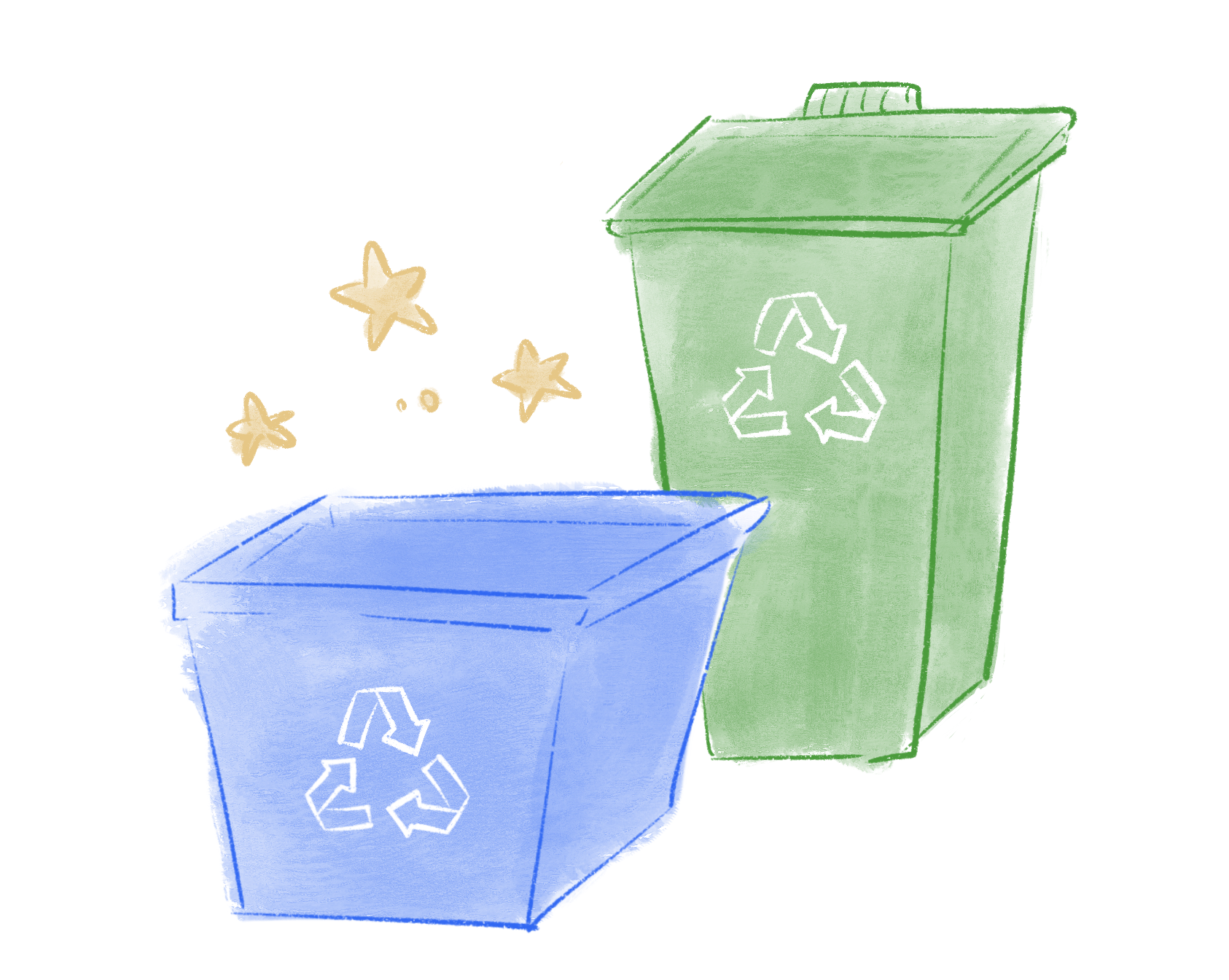
How might we empower communities to adopt sustainable habits that reduce environmental impact?
THE PROBLEM
The Challenge?
During my time at the City of Hamilton, I noticed the general public has a large disconnect regarding their waste production and the amount of waste produced by everyday activities such as eating out, buying clothes, and replacing electronics.
As waste generation continues to outpace the development of sustainable disposal methods, I wanted to address the lack of awareness surrounding waste amongst the general population through community engagement and education. This makes the idea of waste reduction easily digestible by the general public and opens up a discussion for more impactful changes regarding waste.
As waste generation continues to outpace the development of sustainable disposal methods, I wanted to address the lack of awareness surrounding waste amongst the general population through community engagement and education. This makes the idea of waste reduction easily digestible by the general public and opens up a discussion for more impactful changes regarding waste.
RESEARCH
Understanding the users and their needs
I began by conducting user research to understand how much people considered sustainability and waste in their everyday actions. Ideally, this includes both the consumer and service providers such as business owners, however due to time constraints wasn't able to directly interview business owners.
Ultimately, I wanted to figure out...
Ultimately, I wanted to figure out...
What are the key challenges and barriers users face when trying to adopt sustainable behaviour?
User Feedback
I conducted multiple user interviews; users provided a variety of insights on how sustainability impacts their daily consumption. I started to synthesize the data by clustering related thoughts and feedback together through affinity mapping.
I ultimately gained the following insights:
I ultimately gained the following insights:

People are interested in sustainability, but lack the knowledge to implement
changes in their life.
changes in their life.
Convenience often takes precedent over sustainability.
Users prefer monetary rewards based incentive programs.
What do users really want?
Overall, I learned that although users believe reducing waste is important, they generally prioritize convenience over making sustainable choices. It's not a priority in their lives as it can be confusing determining what is considered sustainable or there's a lack of accessible options and products.
Primary Motivators: Convenience, Value, Clarity
Primary Motivators: Convenience, Value, Clarity
.png)
SYNTHESIS
Community based sustainability app
After feature prioritization mapping and synthesizing my research findings, I decided on the primary features of WECO that would best address user pain points. I wanted to ensure key features were accessible and manageable for new users while considering future feature expansions.

The app is:
- A sustainability ally. WECO empowers users to live sustainably through informed choices and rewards.
- Meant to encourage lower waste options of day-to-day activities
- Promote community building through businesses and events

The app is not:
- A solution to the greater waste issue in Canada which requires systemic change. WECO is a tool, not the sole answer.
- A waste management app. It doesn’t manage waste disposal logistics or collection.
- Directly selling goods, but helps users discover retailers and services.
Previously, another way users could gain Points was learning modules and reading relevant articles. I thought this would be a simple and easy way for people to educate themselves of current state of waste in Canada and other related topics.
User feedback during initial testing revealed concerns about the ability to verify genuine engagement with the content. Many users felt the modules could be exploited to gain points rather than encourage meaningful learning. Users expressed a stronger preference for actionable tools and integrations over passive learning.
User feedback during initial testing revealed concerns about the ability to verify genuine engagement with the content. Many users felt the modules could be exploited to gain points rather than encourage meaningful learning. Users expressed a stronger preference for actionable tools and integrations over passive learning.
The Foundations
To better understand how the information is going to be organized, I mapped out the features in a task flow to highlight the general parts of the app that a user would interact with.
UI ITERATIONS
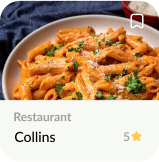
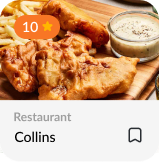
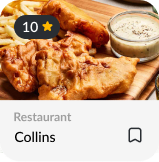
Among the many UI iterations in this project, I wanted to focus on 2 key examples: the Search page cards and the Business Information screen.
Search Page Cards
.png)
.png)
.png)
Business Information Screen
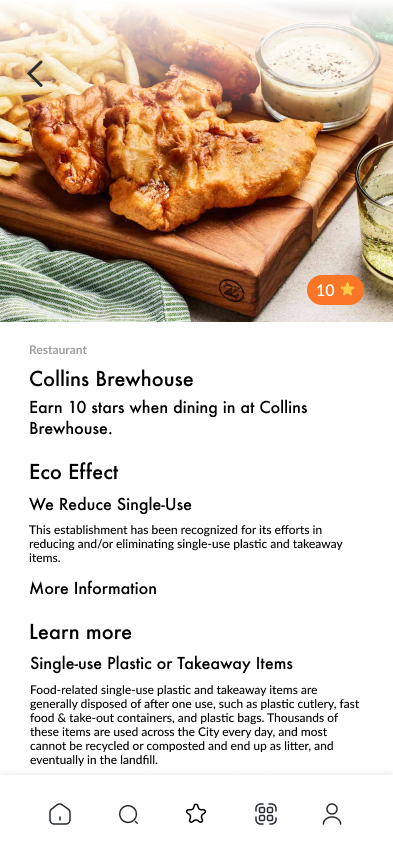
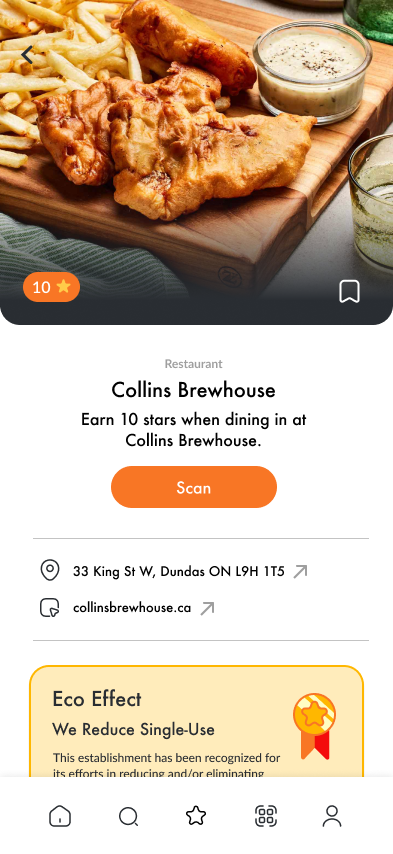
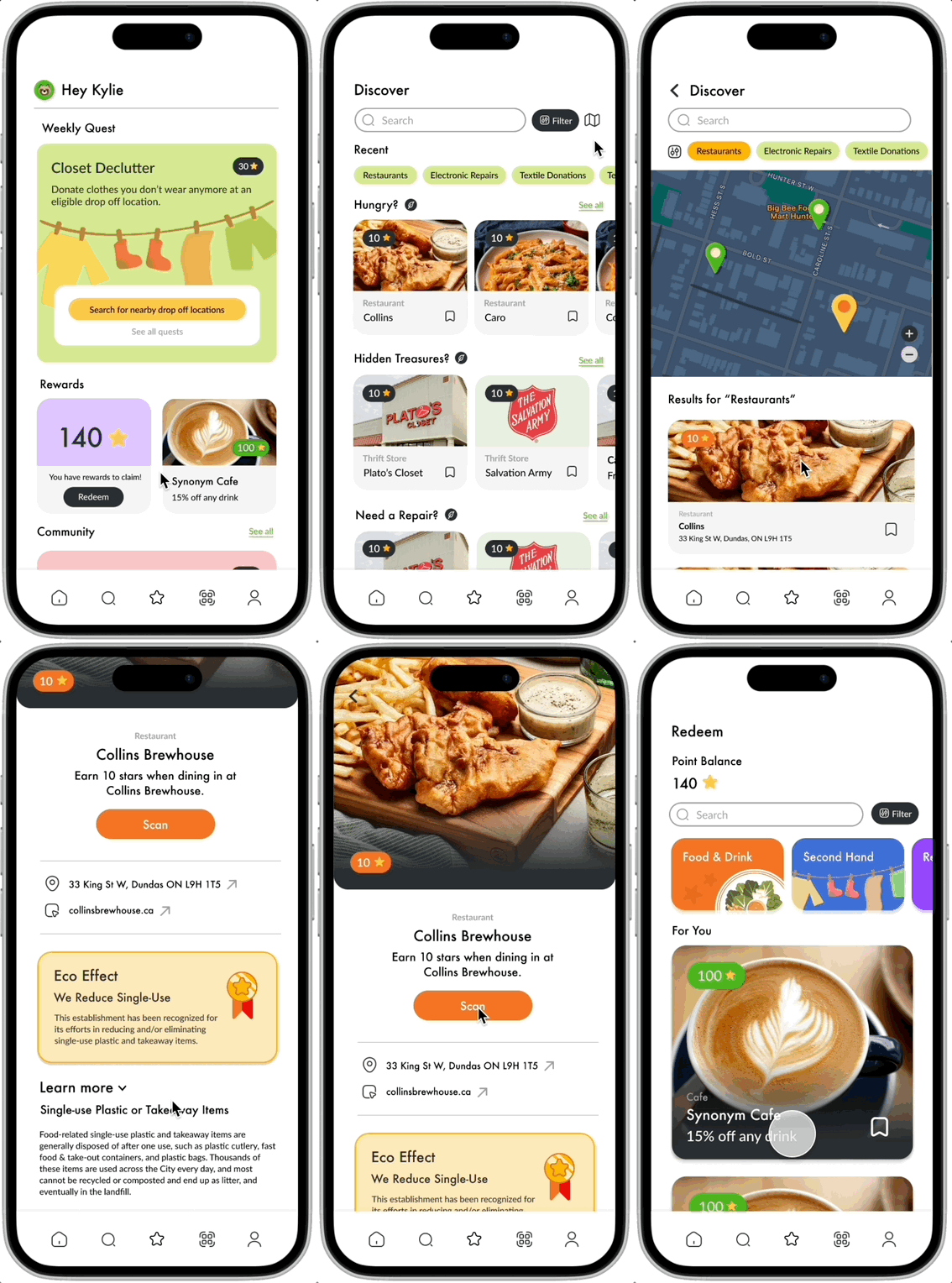
This screen is the primary educational element of the app. This was especially important since many people I interviewed noted that spending time to learn about waste management was a big barrier in taking actionable steps to reducing waste.

Previous Iteration
- Very text heavy; may discourage reading
- Lacking important information
Key Changes
- Clear Call-to-Action added
- Save Button added
- More visual interest added for increased ROI
- Gradient more intuitive with the rest of the design
- More detailed information: Location, Website
Taking inspiration from the natural colours in the environment, I created an experience that signaled sustainability and environment with a playful approach.
Final Designs
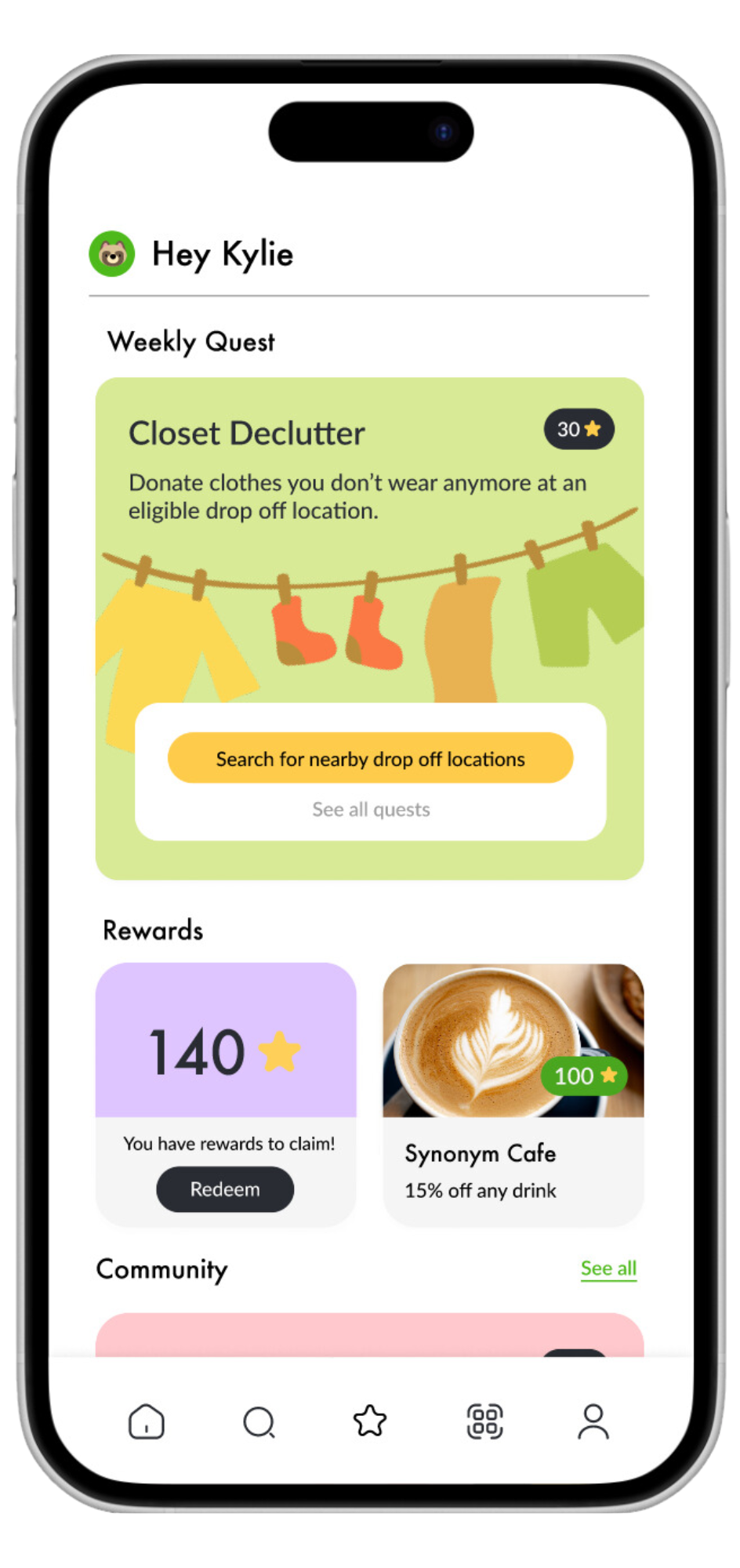
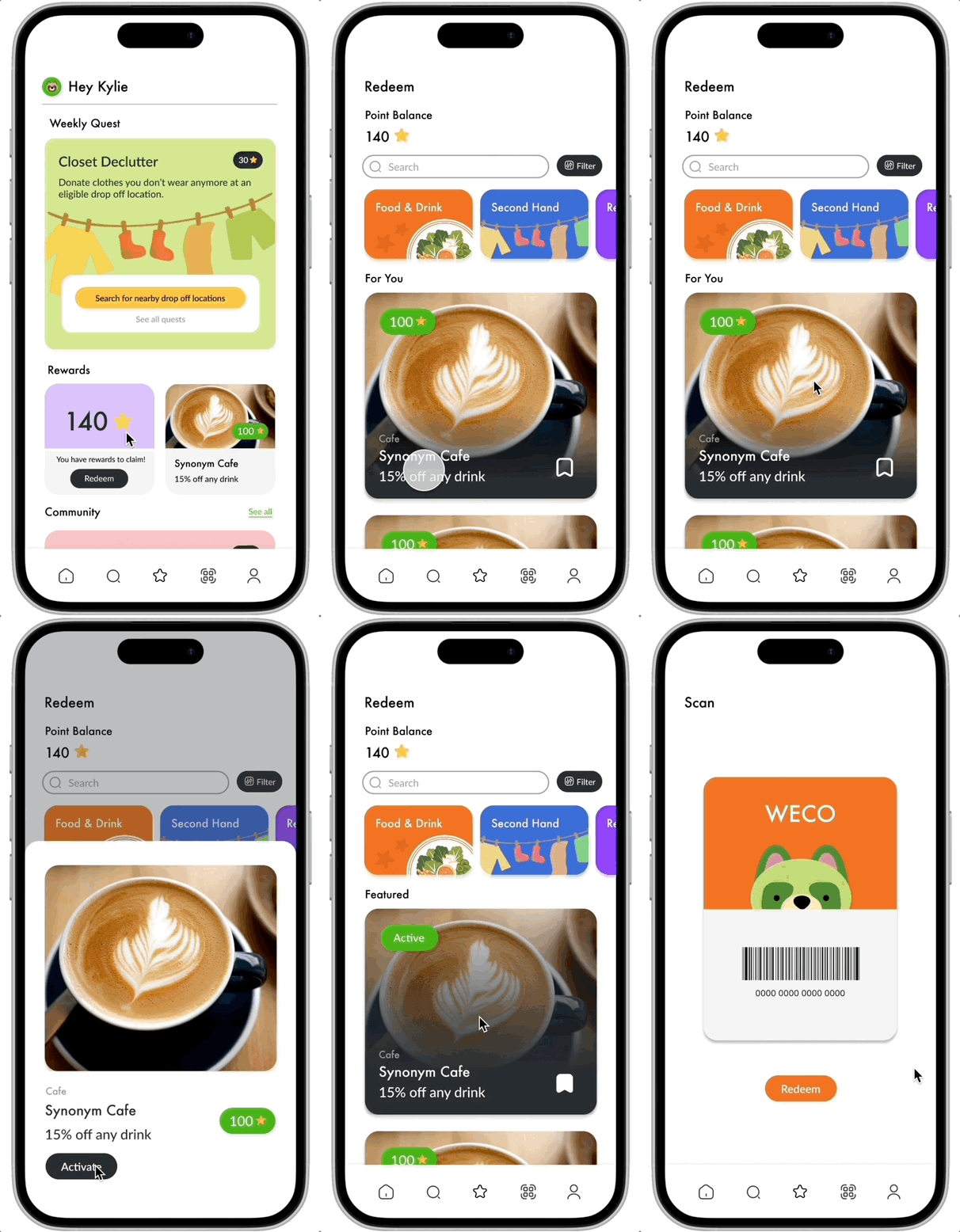
Personalized Recommendations
Personalized weekly goals and recommendations can best help users achieve realistic sustainable actions based on their lifestyle, which was shown to differ across individuals during research.
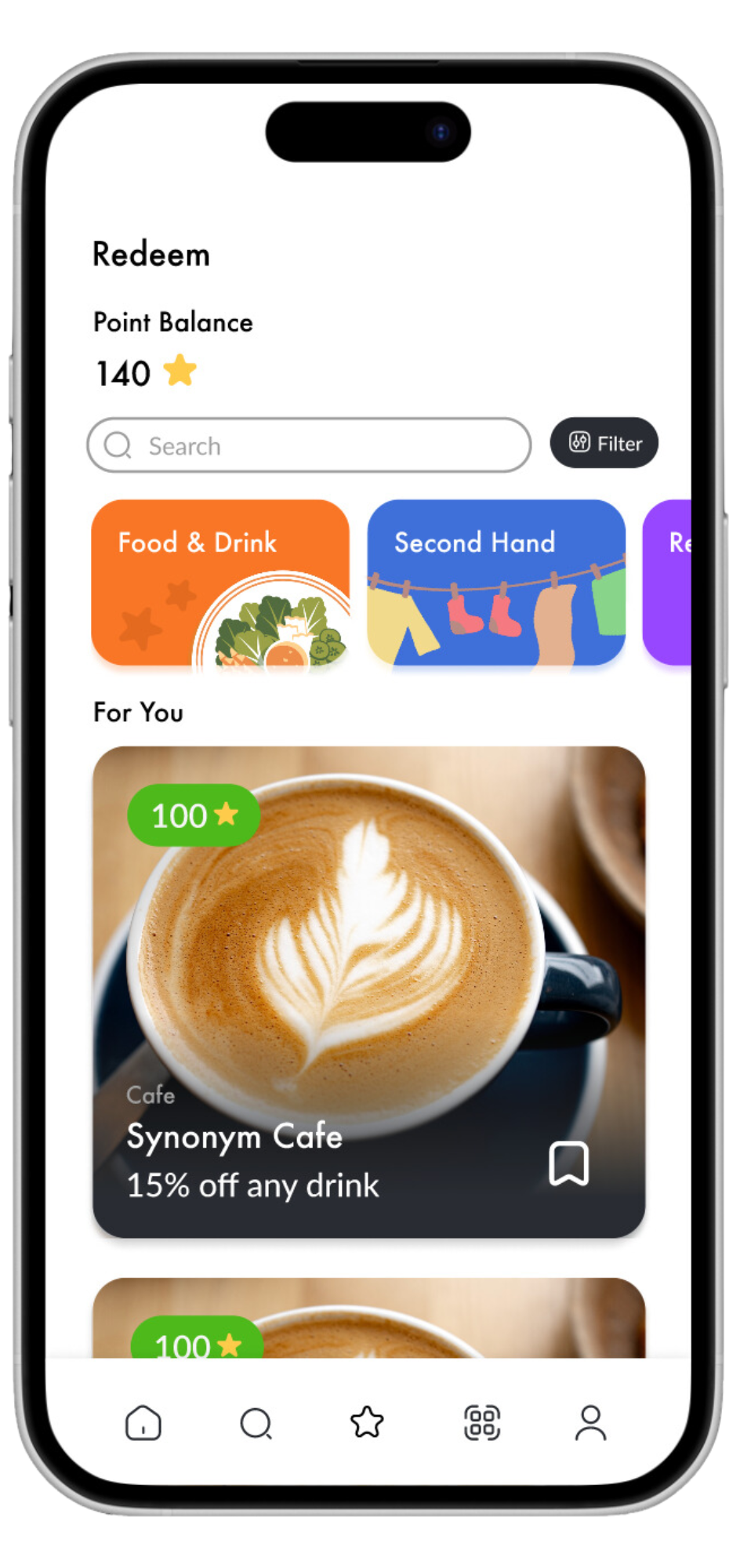
Rewarded Behaviour
A quantitative measure of progress and rewarded behaviour helps keep the user aligned with sustainability by introducing a positive reinforcement cycle.
Bridging the gap between
intention and action
If a user is interested in sustainability, it can be overwhelming to search for places and determine what is considered sustainable. WECO makes it easier to find business who are making an effort to reduce their waste, as well as promote community building events to meet like minded individuals.
REFLECTIONS & TAKEAWAYS
Iterate, Iterate, Iterate
There is so much improvement from iterating on features. Refinements no matter how small, made a big difference and can significantly improve usability and engagement. At times, certain design exercises felt unnatural, but I came to realize how essential they were to the design process.
Define your project scope as early as possible
I had many ideas of what WECO could have been, but I did not have time to work through all of them. Setting the scope early in the design process would have helped me stay on track and have a clear vision on what the app's purpose is.